

Testimonials
Breast cancer is a journey that many women face with courage, and while the physical and emotional toll can be immense, the path to recovery can also be one of hope, resilience, and empowerment. One of the most significant aspects of this journey is breast reconstruction, a procedure that helps many women reclaim their bodies and confidence after a mastectomy or other breast cancer treatments. Through these stories of success and transformation, we can see just how powerful the healing process can be.
A symbol of resilience
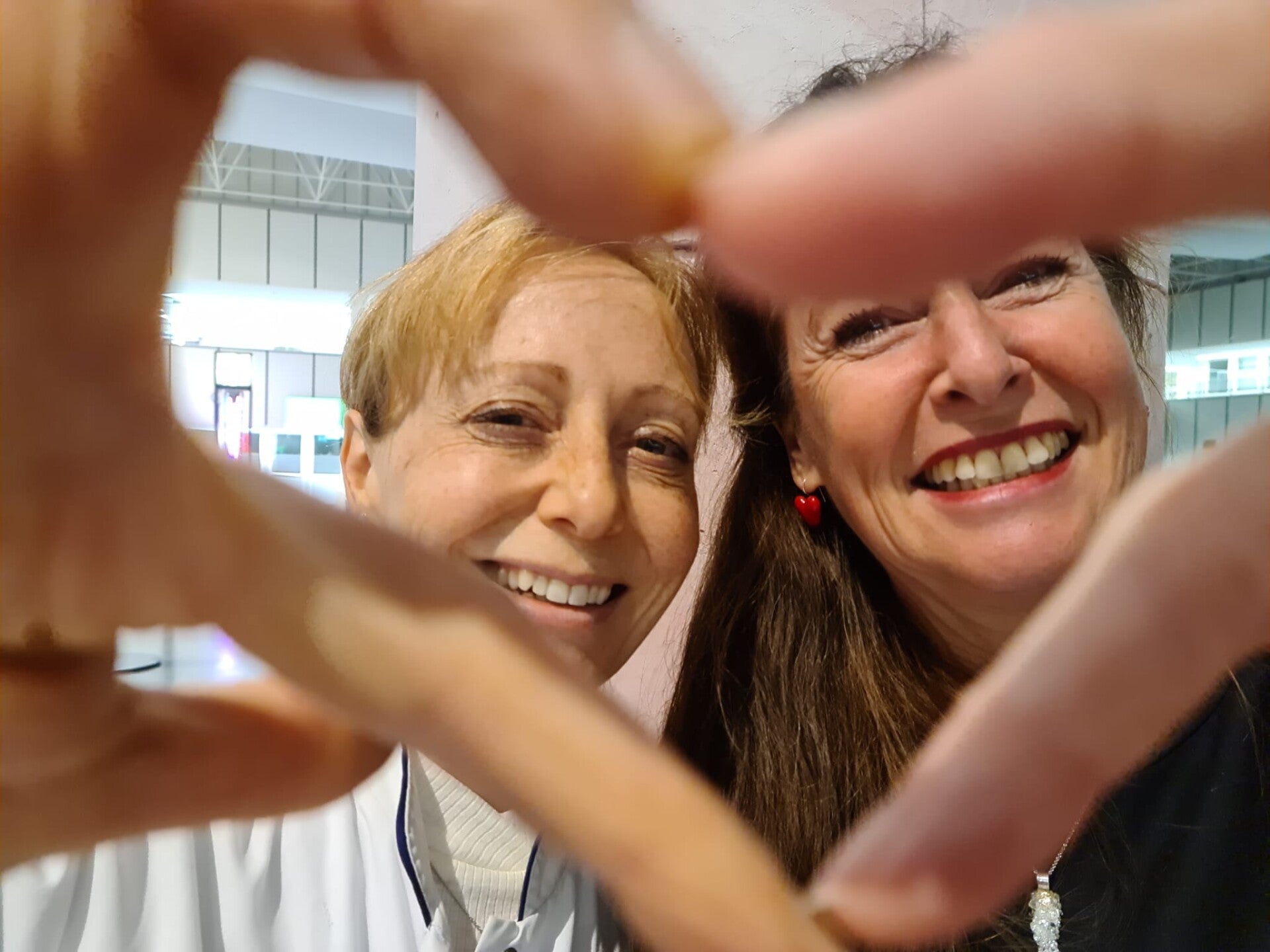
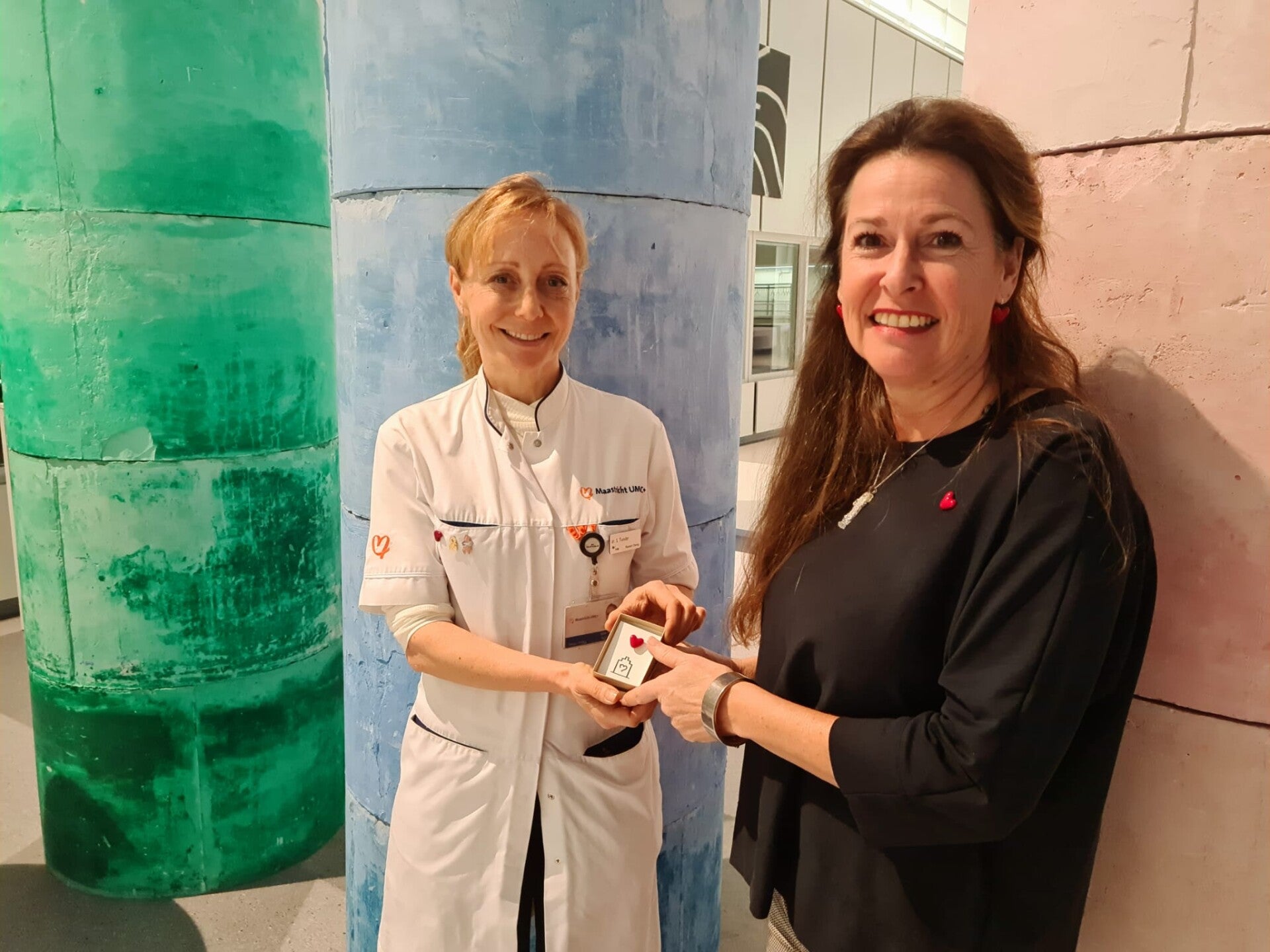
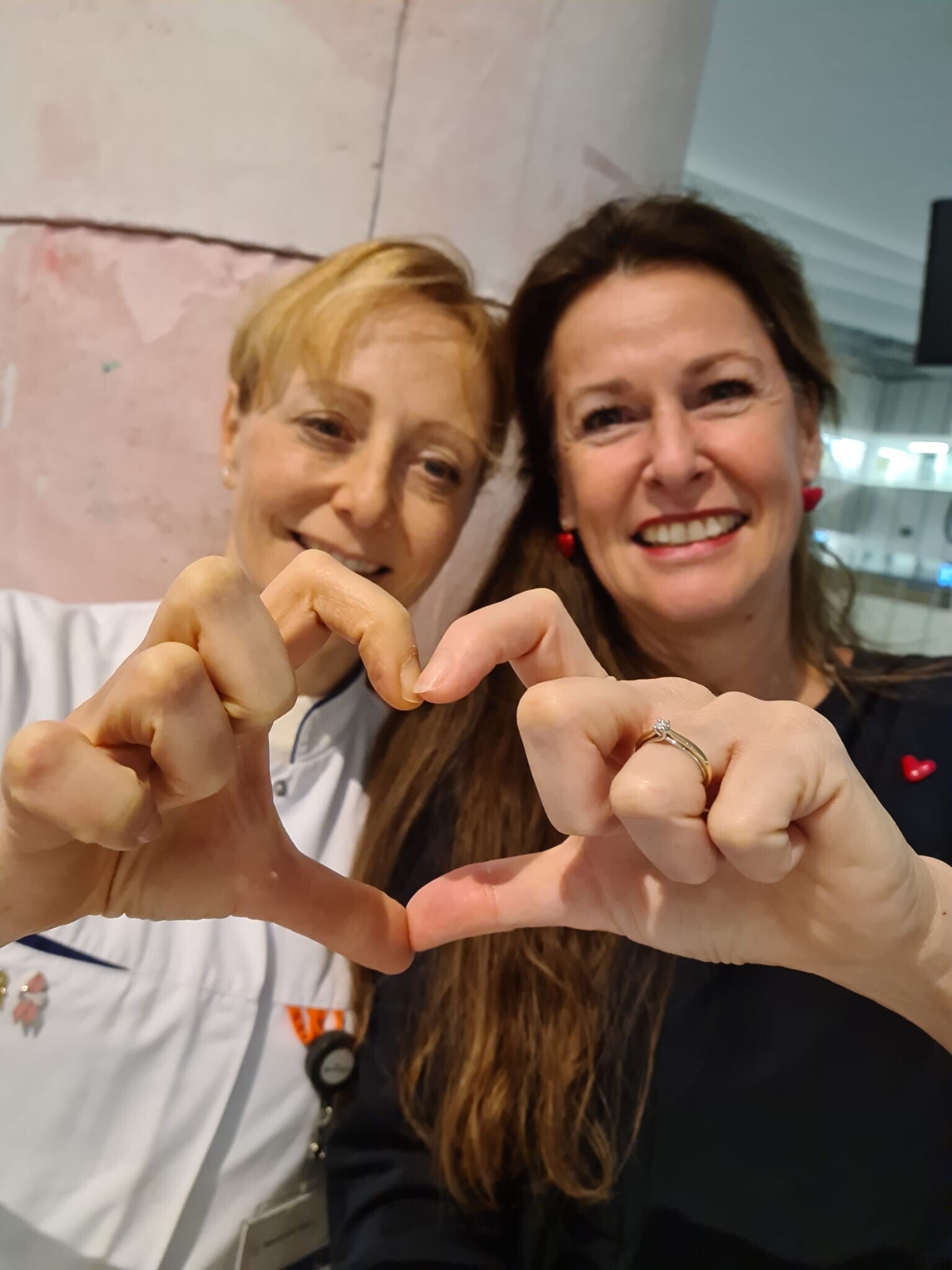
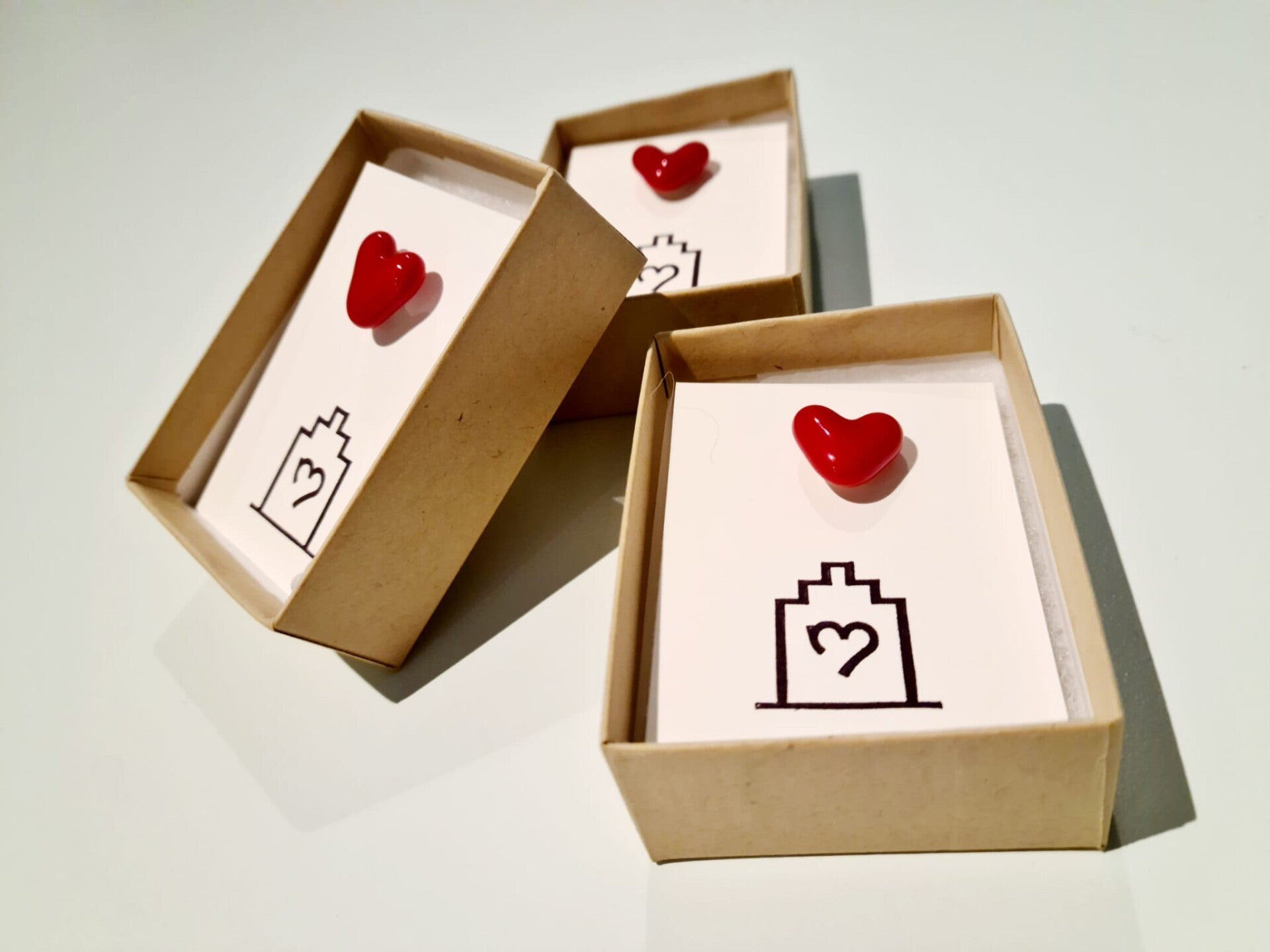
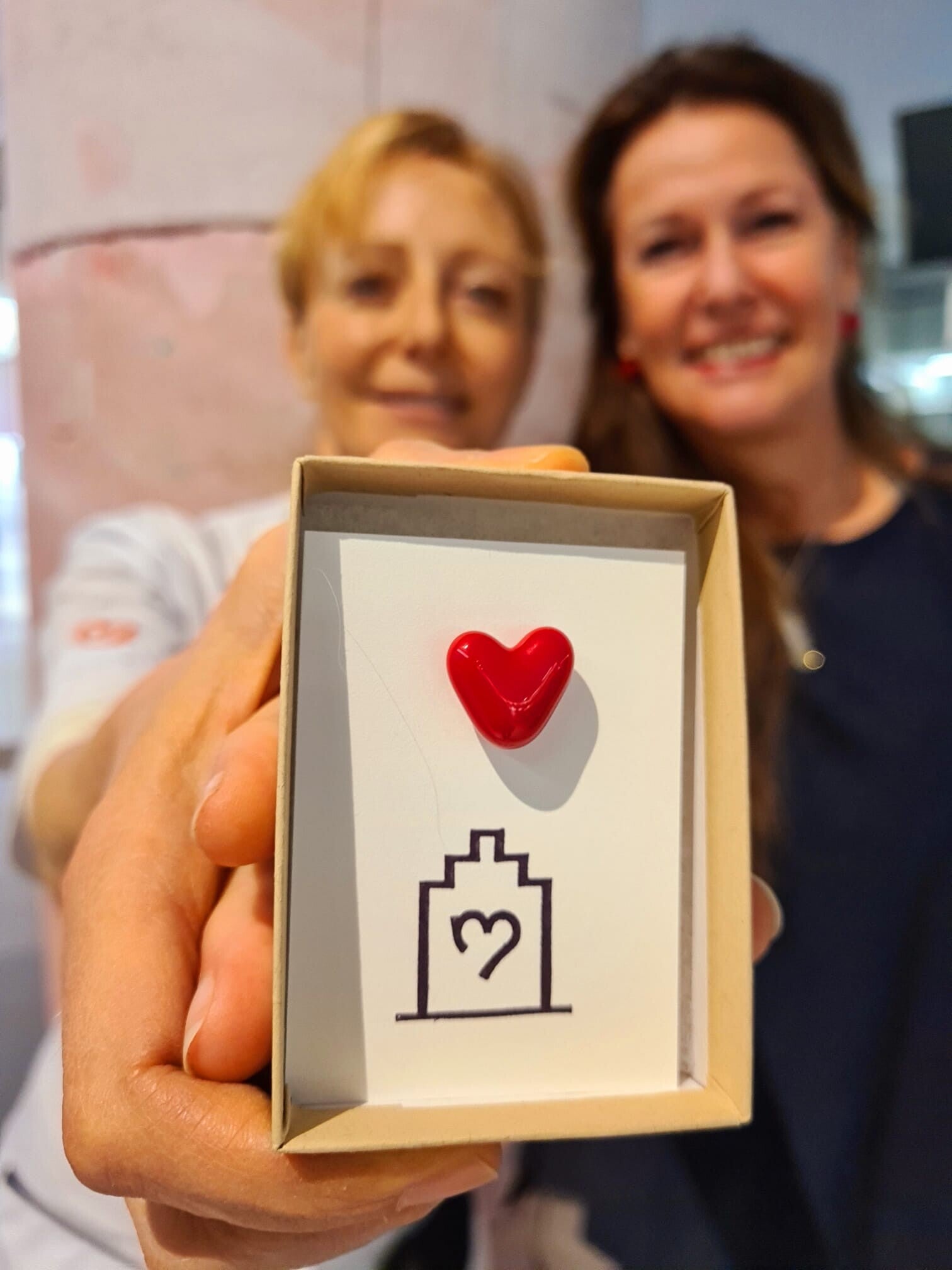
Dr. Stefania Tuinder, together with former patient and artist Maud van Lieshout, has initiated a special project at MUMC+. Maud designed beautiful handmade brooches in the shape of a heart – a symbol of resilience, inner beauty and perseverance for every woman undergoing breast reconstruction.
The heart not only stands for love but also reflects the symbolic connection with the female body. Each patient operated on by Dr. Tuinder receives one of these unique pieces as a personal token of appreciation.
These brooches are a tangible reminder of the journey women go through and a symbol of self-love and hope – something Dr. Tuinder wishes to offer her patients alongside medical care. 🩷

I Got My Womanhood Back
“I Got My Womanhood Back”
Karen Vonk on Her Long Journey to a Successful Breast Reconstruction with a Lumbar Flap by Dr. Stefania Tuinder (MUMC+)
From Norway to the Netherlands
Karen Vonk (born in Norway, living in the Netherlands for more than 35 years now) shares her long medical journey. “I met my husband while on holiday in Portugal and decided to move to the Netherlands a year later.”
The Diagnosis and Family History
Breast cancer entered her life early.
“From the age of 23, I was already in a screening programme. My sister passed away from breast cancer at 31, and later her daughter was diagnosed as well. DNA testing didn’t exist at the time, but we knew: this runs in the family.”
Later we were able to undergo DNA testing — and my niece was diagnosed with breast cancer at 27.
In 2000, the blow came: a tumour in her left breast.
“I was 35. I underwent a breast-conserving surgery, lymph node removal, chemotherapy and radiation. It was tough — especially with an eight-year-old son.”
Failed Reconstruction and Life with External Prostheses
An autologous reconstruction in another hospital — “a very long time ago” — failed. “The tissue died during the procedure. After that, I remained flat for 19 years. I managed with external prostheses, but in summer, in the heat, or in a swimsuit it made me feel insecure.”
The Road to Maastricht
Years later, Karen read in a magazine from the Breast Cancer Association about the work of plastic surgeon Dr. Stefania Tuinder (MUMC+).
“I took it to my GP. When she saw how much I was struggling, she said: ‘Go to Maastricht. You can always try.’”

The first consultation was immediately promising.
“I clicked with Dr. Tuinder right away. She is skilled and human. She treats you not as a number but as a person. She said, ‘I see possibilities.’ No one had ever said it that clearly before.”
Choosing the Lumbar Flap – and Why Nerve Repair Wasn’t Possible
Initially, a technique using tissue from the upper legs was planned, but the day before surgery the plan changed. “Dr. Tuinder examined me again, consulted her colleagues and proposed a lumbar flap — tissue from the lower back. I had never heard of it, but I trusted her.”
They spoke openly about nerve repair (sensory nerve reconstruction).
“We discussed it, but in my case it wasn’t possible. It was a bilateral and extremely complex operation; everything revolved around reconstructing safely. Given the duration and complexity, nerve repair couldn’t be added.”
The Surgery: Fourteen Hours of Top Performance
On 29 September 2020, Karen went into surgery. “Two teams started around seven in the morning; it wasn’t finished until about half past ten at night. Fourteen hours of anaesthesia is a shock to the body. I woke up feeling terribly ill and couldn’t tolerate morphine.”
One moment will stay with her forever:
“Just before surgery, I became emotional, remembering the failed procedure 19 years earlier. Dr. Tuinder came over with a warm blanket, talked to me, asked about things that make me happy. So human. And after the surgery, she came to tell me it had succeeded.”
A Difficult Recovery – and a Surgeon Who Kept Showing Up
Karen stayed in the hospital for eleven days.
“I remember very little from the first four days. I had many drains, complications, breathing problems; they even performed a puncture to rule out something near my lungs.”
Yet there were bright spots too. “Physiotherapist Maud supported me step by step. And Dr. Tuinder also visited during the weekend.”
When someone suggested she might be ready for discharge, Dr. Tuinder stood firm. “She literally said: ‘I decide that.’ That level of commitment meant everything to me.”
At home, the struggle continued.
“I couldn’t sit or lie like normal. I sat on a special ring, slept on my back. Recovery took at least a year. The scars are there, and the donor area on my back is a bit numb — but I accept that.”
What the Reconstruction Gave Her
“The biggest thing is that I got my womanhood back,” Karen says without hesitation.
“I can wear a beautiful bra again, lie on the beach without worrying. The tissue from my lower back feels soft and natural; Dr. Tuinder is also incredibly precise in her suturing. And yes — I have breasts again. I never thought that would be possible.”
About the Doctor and Her Team
Karen speaks warmly of the surgeon and her team.
“Dr. Stefania Tuinder is skilled, determined and deeply human. She answered emails quickly, thought of everyone — she even called my husband during the long operation. I’ve called her a magician more than once.”
She also mentions others with gratitude: “Resident Job Beugel was involved; the outpatient assistants and nurses — it felt like a warm bath. Nothing is perfect everywhere, but in Maastricht I would choose this team again in a heartbeat.”
Advice for Other Women
• Educate yourself: understand your options.
• Choose a team that inspires trust.
• Prepare for a long recovery: a lumbar flap is beautiful, but intensive.
• Sensory nerve repair is custom work — and not always possible.
“Someone else would not have been able to achieve this for me,” Karen concludes.
“I am deeply grateful to Dr. Stefania Tuinder and her team. When I look back on it, it’s with a warm heart.”
Restoring breast sensation after mastectomy – restoring hope.
I was diagnosed with breast cancer in February 2024 in the UK. It had a profound effect on me: I wondered, was this the beginning of the end of my life? And if I survived, how would the surgery and treatment affect me? It was a frightening and isolating time. The waiting is one of the worst things – waiting to speak to your consultant, waiting for the results of biopsies or pathology reports after surgery. When the first surgery, a lumpectomy, didn’t achieve the “clear margins” that were hoped for, I had a second operation. The surgery can make you feel quite vulnerable – it is a strange and nerve-wracking experience, I was worried about complications, and even the after-effects of the general anaesthetic can be alarming. Just the physical recuperation took a few weeks each time, and the sight and feel of the scarring is hard to get used to - my body doesn’t scar well.
Then I was told that the second surgery was not enough, and a mastectomy was recommended. Like many women who choose to have breast reconstruction after mastectomy, I was recommended to have a procedure that involves taking tissue from elsewhere on their body to form the replacement breast. This is a relatively new type of reconstruction that usually gives very good long-term outcomes in terms of the natural appearance and soft texture of the new breast. However, it requires highly skilled, time-consuming and delicate surgery. It is very demanding for the surgeon but also a serious and taxing procedure for the patient, with impacts and potential complications for two parts of their body: the donor site where the tissue is taken from, as well as the breast area where it is painstakingly reattached with its new blood supply. It was a big decision to make.
None of the doctors and nurses treating me told me that most people experience complete loss of normal sensation in and around their breast after a mastectomy, and in many cases, it never returns. I found this out for myself online. The more I thought about it, it didn’t seem worth going through this major procedure, with the damage to healthy parts of my body, the many hours of surgery, potential complications and long recuperation period, all to have a reconstructed breast with no sensation. So I seriously considered the alternatives: breast reconstruction with an implant, or not to have reconstruction, or even to have no further surgery and hope that my cancer didn’t come back. At that time it was thought that all my cancer had been removed, and the mastectomy was to ensure that remaining pre-cancerous tissue was also removed.
When I raised the issue of loss of sensation during a consultation, one NHS surgeon said to me words to the effect of “but we don’t get complaints from people about numbness after mastectomy. It’s not like it’s your arm or leg”. I wonder if he would say that to a man who was going to have no sensation in his penis after surgery?
Another surgeon, specialist in reconstruction, joked to my partner that he might like me to end up with larger breasts, as if she thought the appearance and size of my breasts and what my partner thought about it, were all more important than how it felt for me - how my breast would feel, how I would feel about my breast. She never mentioned the sensation of the new breast at all.
Looking back, I am still shaking my head in disbelief at this attitude of otherwise excellent surgeons! The way your body feels is probably about as important to most people as how it looks, isn’t it? Why is breast sensation not discussed with patients facing mastectomy?
When I eventually realised that I was psychologically stuck and unable to make a decision about my next treatment steps, I started researching breast reconstruction that aims to restore breast sensation. It turned out to be a long road! My local NHS team were unable to help, and I tried the Royal Marsden in London without success. In fact I couldn’t find anyone to help me in the UK, but the United States seemed to have many institutions that were engaged in this specialist surgery; I contacted various of them, and I will always be grateful to Dr Andrea Moreira at UPMC, Pittsburgh, for her time, support, and helping me along my journey. She selflessly directed me towards a couple of surgeons closer to home, which was how I ended up speaking to Dr Stefania Tuinder at MUMC, Maastricht.
I can’t praise Dr Tuinder and her team at MUMC highly enough. They are so kind and sympathetic, efficient and among the most highly skilled specialists in the world in what they do.
The central fact is, that the hope of restoring sensation in my breast made the risks of the reconstructive surgery worthwhile for me. I wanted a breast that would feel like a breast - not just something that looks like one.
When I eventually had the mastectomy, performed by Dr Keymeulen at MUMC, it was discovered that I had several more small cancers in my breast, so it turned out that breaking through my indecision about having a mastectomy may have saved my life. Put another way, the chance of having a breast that both looked and felt like mine, made a very important, possibly life-saving difference for me.
I am doing well after my surgery, feeling strong and capable again, and my life is getting back to normal. I have encouraging signs of returning sensation in my new breast but I know it’s a slow process. I am more grateful to Dr Tuinder and her colleagues than I can put into words. I said from the outset that I wanted to do anything in my power to spread the word to other people – especially to other women who are faced with mastectomy, but also to medical professionals, researchers and policy-makers.
We need to talk about breast sensation after mastectomy. It matters – it affects quality of life and mental health. There needs to be better understanding and available information about nerve-conserving surgery and the surgeons who specialise in it, even if it cannot immediately be available for anyone who wants to have it. And I hope it becomes much more widely available soon!